Why Do We Keep Operating Hotels with Yesterday Thinking?
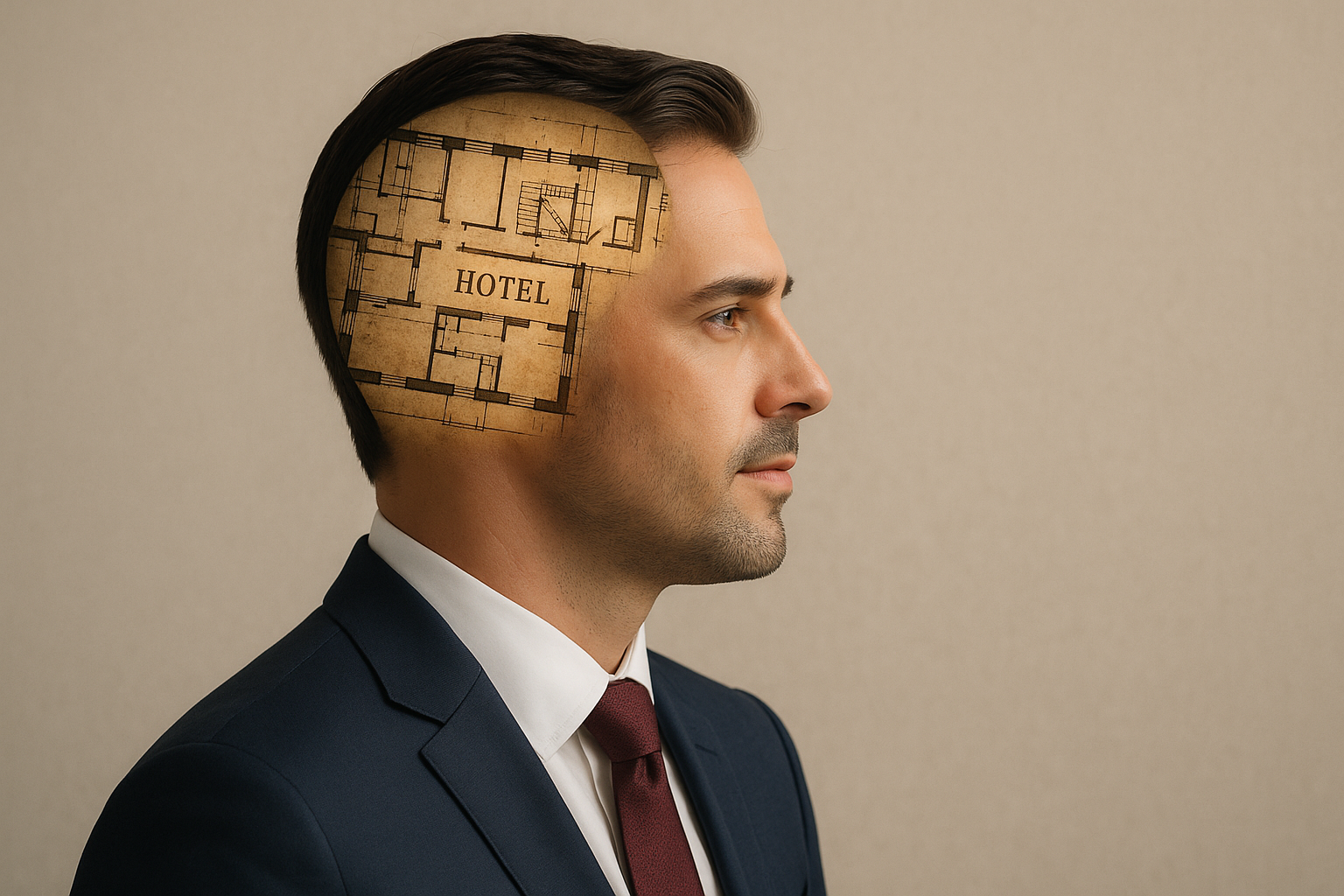
I recently sat in a room with three strong corporate food and beverage leaders. Smart, experienced, good people. They spoke about all the right topics personalisation, technology, culture, AI, storytelling, breakfast, collaborations. The language was current, the slides on the screen were current, and yet the thinking underneath it felt almost identical to panels I listened to twenty years ago. That’s what’s bothering me. The problem wasn’t what they were saying, but the legacy thinking shaping it.
We are still approaching food and beverage through the same old habits: the same way of designing the day, the same way of shaping outlets (venues) , the same measures of success, and the same assumptions about what luxury, four-star, or lifestyle hospitality must look like. We keep upgrading the surfaces of hospitality and refreshing the visual aspects with some tech, but the operating model as a whole system wise stays the same for most hotel groups.
In hotels we are great at the visible layer interiors, uniforms, tableware, lighting, music (sometimes) , scent, artwork, logos, menu design, brand language, and of course the newer pieces like self check-in, QR menus, apps, and grab and go kiosks. What I am talking about is how a hotel really works: how the day is structured, how many people are on shift and what they’re empowered to decide, how menus are built and why, how people, product, profit, planet, and emotion are genuinely balanced in everyday decisions, and what the business chooses to measure and reward. That operating model is what our teams and guests live inside. And that is the part that hasn’t moved enough or at least thats what I see and experience.
Arrival is a good example. A few years ago, everyone dreaded the checkin / out queue at the front desk. Self check-in and mobile keys have taken a lot of that visible pain away, and that’s real progress. But what hasn’t changed is more interesting. Most hotels still manage stays by dates, not by time. Guests “arrive on the 14th and depart on the 16th”, and the entire system is built around the calendar rather than the guest’s actual needs. Apart from a few airport hotels, we still don’t design around lived hours the early flight, the late meeting, the need to rest when the body needs it rather than when the hotel dictates it. We’ve put check-in onto screens and phones, but we haven’t reimagined arrival itself. It’s still an administrative step, not the first chapter of the stay. So yes, the lobby looks newer and the queue is shorter, but the logic behind arrival is still intact: a process to get through at a time that suits the hotel.
Breakfast follows the same pattern. Hotels bring in live stations, healthier corners ( I hate corners) , local dishes, better crockery, curated music. In some places the buffet disappears altogether and becomes part of a tighter restaurant concept. But underneath, the model is the same. We still overproduce “just in case” and throw away trays of food. We still treat breakfast as a volume exercise rather than an expression of the restaurant’s identity in many cases. Teams still firefight peak times instead of working within a flow designed to reduce pressure. The look and feel evolves. The operating logic barely moves.
Personalisation is no different. We talk about knowing our guests. We invest in CRMs, map personas, and send beautifully worded pre-arrival emails. Yet in most operations, there’s no time in the rota to act on that information, no clarity on who owns which insight, and SOPs still treat guests as if they all want the same thing. It sounds personalised, but it feels generic. And even in the recent panel conversation I listened to, the thinking around personalisation stayed narrow still focused on tools, tasks, and touchpoints rather than the deeper logic of how we design experiences. It was another reminder that our vocabulary has moved forward to sound new and cool, but our mindset hasn’t. We’re discussing modern ideas through a legacy lens, and that’s why progress still feels slow.
This is exactly why so much corporate F&B thinking remains stuck, even as hotel groups keep opening new properties at pace. We take great pride in growth, but very little of that growth includes genuinely new thinking. Most new builds still follow the same old blueprint, the same inherited model, the same assumptions about what a hotel “has to” offer. The hardware changes; the operating model thinking doesn’t.
Often we start with good intention “let’s make breakfast special”, “let’s create something different”, “let’s elevate the lobby experience”. But the moment the work begins, the same old ways of doing things continue. The language and even tone of voice maybe new, yet the decisions are driven by legacy thinking. So the hotel launches with the promise of being different, but ends up as another copy-paste version of what already exists with new hardware running on an old operating system.
But when you redesign the underlying operational logic, a hotel will feel different before anyone explains why. Arrival will feel more like a welcome . Breakfast will feel specific to that place rather than a generic international or brand standard. Restaurants and bars will feel anchored into genuine purpose and narrative, not a concept borrowed from somewhere else. The teams will feel the difference too the day is structured so there is time to care, not just time to cope. Tools and tech make work easier instead of more complicated and frustrating. People feel they’re delivering something with meaning, not simply surviving another shift. And for the business, people, product, profit, and planet begin to support each other rather than compete. Waste is designed out rather than dealt with at the end, and success is measured not only by GOP and RevPAR but by stability, waste per cover, and the emotional language guests use to describe how the place made them feel and the team will feel recoginised. None of this comes from a concept deck from a third party F&B consultant. It comes from doing the hard work of rewriting how a hotel operates.
If we’re serious about disruption, the answer isn’t listening to another panel, copying an existing hotel or from another phrase that sounds new. It’s the courage to let go of the old blueprint. It starts by taking one hotel or one outlet and asking a simple question: “If we were building this today, for today’s and tomorrow’s guest, with everything we now know about how hotels actually operate, would we design it like this?” If the honest answer is no, that’s exactly where the real work begins. It means treating branding and SOPs as a starting point, not a cage. It means designing for people, profit, and planet all at the same time. And it means measuring the system, not just the surface results.
The truth is, things have changed. We have better tools, better design, and a stronger sense of what matters than we did twenty years ago. But the underlying operating logic is still largely the same. We’re upgrading the look of hospitality. We’re not yet brave enough, often enough, to redesign how it works.
The day we start using our strategies, and innovation budgets to challenge and change the system is the day guests and teams will walk into a hotel and instantly feel: “This place is different. Not because of what it says it is, but because of how it actually works.”
That’s the disruption we’ve been circling for years. It’s time we did it from now on intentionally and with purpose.
#Hospitality #FoodAndBeverage #HotelLeadership #HospitalityInnovation #OperatingModel #CustomerExperience #SustainableHospitality #ServiceDesign